Varroa Resistance through Bee Improvement
Saturday 15th February 2025 Ettington Community Centre CV37 7SX
Meet the Presenters
We have recruited the leading experts, both scientific and practical, in varroa resistance
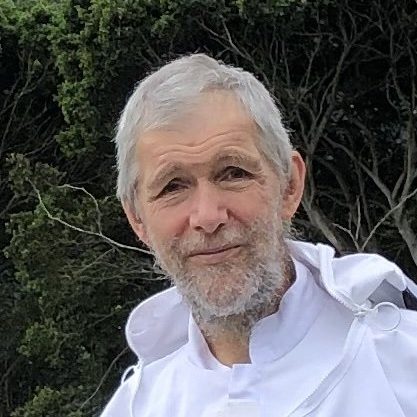
Stephen Martin
Stephen holds an Emeritus Professor position at Salford University, Manchester. Prior to that he spent 12 years working at Sheffield University, 7 years with the National Bee Unit and 7 years in Japan conducting research into hornets.
He is best known for his work on the varroa mite and its association with viruses, especially the Deformed Wing Virus. More recently his beekeeper funded research aims to understand why some honeybee colonies have become naturally resistant to varroa.
Stephen now aims to use this information to provide beekeepers with a long-term solution to their mite- problem.
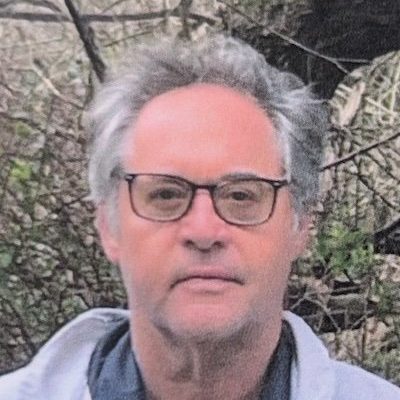
Steve Riley
Steve is the Education Office and former Chair of Westerham Beekeepers, a club in the south-east of England.
He is the author of “The Honey Bee Solution to Varroa” and a member of the “Path to Varroa-Resistance in the UK” team that launched the education and science website: www.varroaresistant.uk in April 2023.
Steve presents on varroa resistance to beekeeping associations around the UK, including at the National Honey Show and BBKA Spring Convention
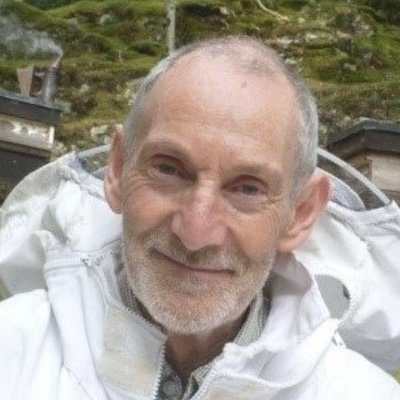
Clive Hudson
Clive has been beekeeping together with his wife Shân since 1985. We live in North West Wales and are members of Lleyn & Eifionydd BKA. We are over-wintering 18 colonies in National hives and regard ourselves as essentially traditional beekeepers. For various reasons we stopped treating against varroa 16 years ago and found that it worked for us.
Prompted by concerns for honey bees because of world-wide losses, we collected and published data on 1573 local colony-winters between 2010-2015. To our surprise the survey results showed the majority of beekeepers in our area were not treating against varroa and were experiencing fewer losses than those who were treating. Information about our beekeeping and interest in wild-living colonies, real-time temperatures of a colony in a National hive and our journey to varroa-resistant bees and treatment-free beekeeping can be found at https://beemonitor.org
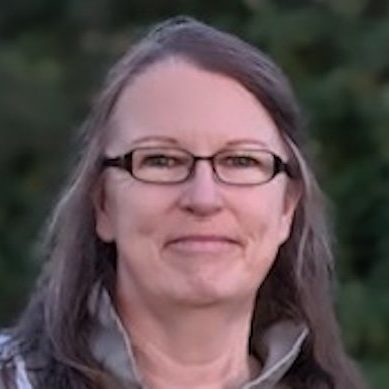
Rhona Toft
Rhona runs a small-scale beekeeping business with her husband Richard in the South of Worcestershire. While still hobbyists they transitioned their bees off of varroacides and selected for Varroa resistance. The hobby grew into a business and they currently manage around 60 colonies of local bees but have had more than 80 colonies in some years. The colonies have been managed without the use of Varroacides since 2007. Rhona is a member of ‘The Path to Varroa-Resistance in the UK’ team, a member of the Bee Farmers’ Association and a BBKA Master Beekeeper.
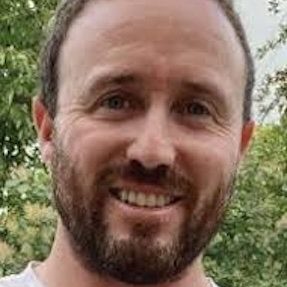
Joe Ibbertson
Joe is a long term non treatment beekeeper currently running a conservation project covering 90 free living colony nest sites in woodland and urban areas local to him. He has developed a simplistic technique to hunt free living colonies and works alongside Prof. Grace McCormack’s Galway HoneyBee Research Center for monitoring and research. As part of the Varroaresistant.uk team, he uses his knowledge of free living colonies to encourage natural selection and natural dynamics alongside colony management in National hives to select for varroa resistance and self-reliant colonies adapted to his location.
Programme:-
9.00 Registration
10.00 Welcome by Roger Patterson
10.15 Rona Toft: “Varroa Resistant Bees: When it’s More Than a Hobby”
11.00 Stephen Martin: “Understanding the science of honeybee varroa resistance”
12.00 Joe Ibbertson: “Free Living Colonies Solving the Varroa Problem”
12.45 Lunch (bring your own and refreshments)
1.30 Steve Riley: “Working as a club towards varroa resistance”
2.30 Clive Hudson: “16 years of treatment-free beekeeping with Welsh dark bees”
3.15 Speakers Panel – to answer questions from the floor
4.00 Dispersal