Varroa Resistance
BIBBA is pleased to champion the practical and scientific progress that has been made to understand and document how honey bees are naturally controlling their varroa populations.
Many beekeepers have chosen to not treat their bees chemically or bio-technically for varroa. BIBBA will provide practical information to help beekeepers understand what is happening in colonies that manage varroa themselves and will encourage beekeepers to transition away from miticide treatments in a managed and sustainable way.
New scientific and observational information is being gained all the time, so it’s important that beekeepers keep up to date.
BIBBA has partnered with the team at varroaresistant.uk – Professor Stephen Martin, Steve Riley, Rhona Toft and Joe Ibbertson – and together we have a range of resources to help beekeepers with their varroa resistant journey.
Sign Up Now!
Join our mailing list to receive regular emails on what is known about varroa resistance
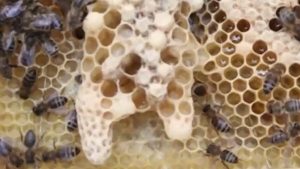
Breeding Varroa Resistant Bees
Once a sustainable varroa resistant apiary is established, new queens and colonies can be raised quickly.
The varroaresistant.uk team has identified a strong heritability of varroa resistant traits through queen lines
Starting on Your Varroa Resistance Journey
Some treated colonies would be able to manage varroa themselves but their varroa resistant traits are bring supressed as the treatments supress the varroa for them. But the majority will be mite susceptible colonies that would perish without the treatments.
Read More about Starting on Your Varroa Resistance Journey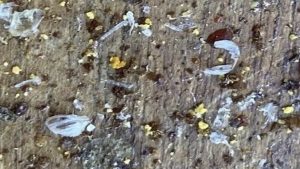
Identifying Varroa Resistant Bees
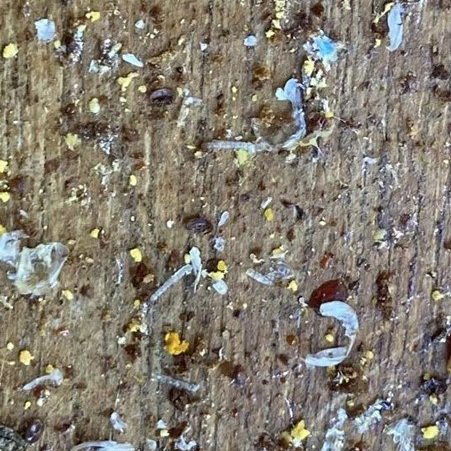
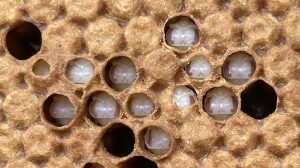
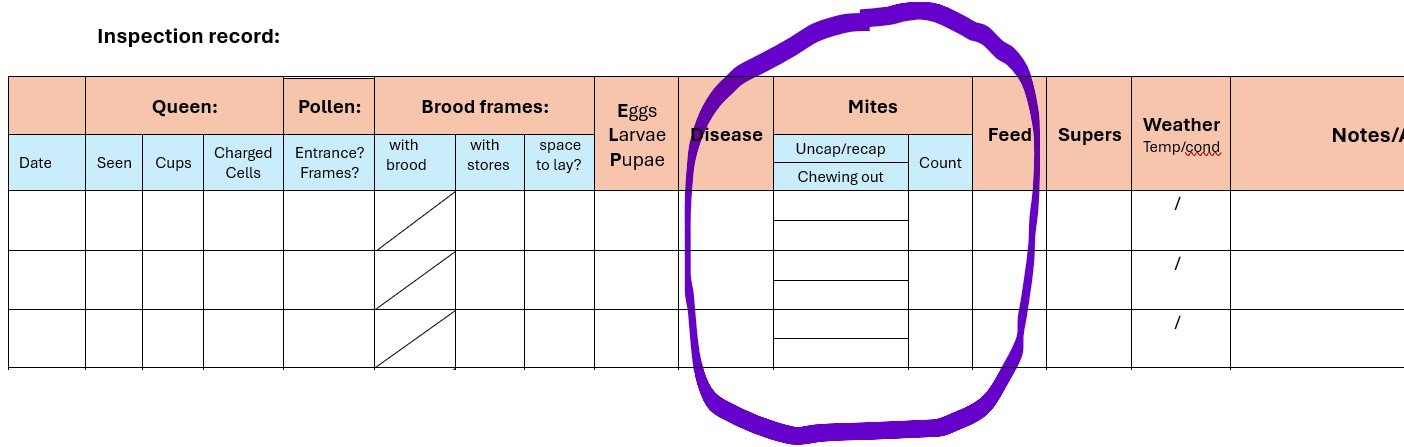
The key observations in a varroa resistant colony are uncapping of worker brood, chewing out of infected pupae resulting in pupal exoskeletons on varroa insert boards, resulting in low mite counts as the breeding cycles of the mites are interrupted.
Read More about Identifying Varroa Resistant BeesVarroa Resistant Colonies
VR Colonies going into Winter
The bees are continuing to pile pollen and nectar into the hives as this mild and often sunny autumn continues in the southeast of England. The hives are heavy with stores and all the extra pollen will put the colonies in a strong position when they start to build again in January. My locally-adapted bees are frugal with stores over winter and I’m only expecting to feed nucs this winter, although I’ll be hefting hives monthly to be sure.
Last month, I talked about my best varroa resistant colonies still dropping one mite a day or fewer, as they had all season. We’re now at the end of the period where you’d expect to see a spike in numbers, and that spike hasn’t emerged in these colonies. One possible explanation is the extended brood break caused by the dry conditions between the end of the main flow and the start of the ivy.
In a few other colonies where I saw a more usual spike to between five and eight mites a day, the numbers are dropping back again to one or two a day.
With queens responding to the incoming ivy nectar and laying again, I’m still seeing uncapping of worker brood cells when I go into a hive for a reason and I know infected pupae are being chewed out because I’m finding pupal exoskeleton parts on my insert boards.
Temperatures are falling and it won’t be long before hives shouldn’t be opened at all. This is where the insert boards come in so useful as a monitoring tool. Not only can I record the average daily mite drop for the year as a whole, I’ll know whether colonies are uncapping any brood over winter as I’ll see pupal exoskeletons amid the lines of debris under the brood frames. You can see varroa resistance in action all year round.
If you watched Live@theHive on October 4th, you’ll have seen Roger Patterson discover uncapped worker brood cells at the pink/purple eyed pupal stage in one of his colonies in his home apiary, one of the key traits of varroa resistant bees. Roger and I discussed observations of chewing out infected pupae, the other key trait. Occasionally, you do see evidence of chewing out on the frames (see pictures), but not always. Pupal exoskeletons on the insert board are a sure-fire way of knowing it is occurring.
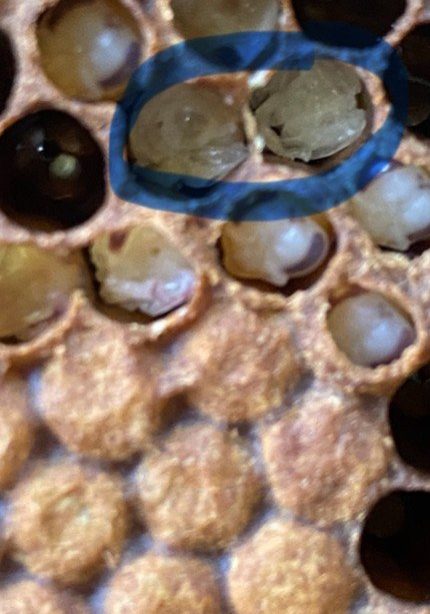
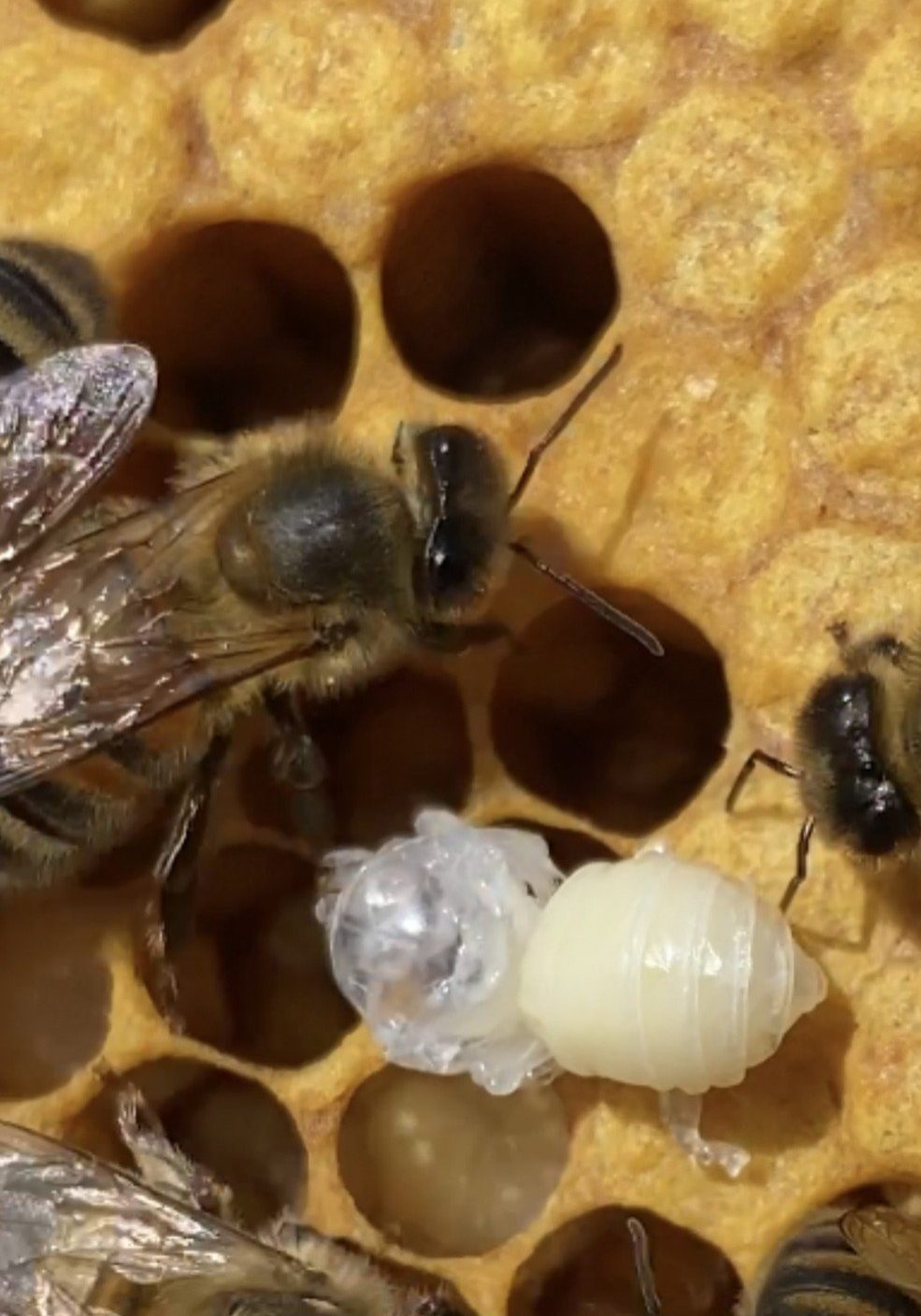
We have created a separate video of Roger’s discovery and our discussion here: https://www.youtube.com/watch?v=ZgTLE21Eayk
Please do subscribe to our YouTube channel so you can get updates when we release new videos.
There was a follow-up question to the video asking whether Roger might breed from this queen to see if the daughters have the same traits. This is certainly a candidate for breeding from as it is showing the traits, but you’d want to stop varroa treatments and monitor the colony and any daughter colonies to confirm varroa resistance (uncapping, chewing out and a low mite count) over at least a whole season and longer.
In my own apiaries, I don’t add a queen line to my breeding lines until I have confirmed varroa resistance for three seasons. In the Westerham club bee breeding project, all our queen lines have been selected from lines that haven’t been treated for seven years or more. We are lucky enough to have colonies with a history of varroa resistance. If you are starting on your varroa resistant journey you would jump on any signs of the traits and select for them whilst monitoring and counting over several seasons.
In terms of heritability of traits, my experience is that every daughter I have raised from a varroa resistant queen line has so far gone on to head a colony that is also varroa resistant. All my queens are open mated. The role of the drones in heritability is an area needing more research, but I continue to try and flood the area with drones from varroa resistant colonies.
One of my winter jobs will be to review all the varroa resistance data for my colonies over the whole season and decide on my breeding plan for 2026. I’ll again be breeding from the very best performers, re-queening the ones with the highest mite counts, and monitoring the rest, including the ones I re-queened this year.
Next month I’ll talk about the colonies that had previously been treated and were showing high daily mite drops that I requeened. I wrote in previous articles that uncapping and chewing out had started as soon as the new queen’s offspring had become dominant, and as we head into the winter I am now reviewing the daily mite drop data.
Varroa resistant summary for October:
- Uncapping and chewing out is continuing as the ivy flow keeps queen laying
- Daily mite drop numbers have remained very low in my best performing colonies, while the spike in drop in other colonies is now ebbing.
- Insert boards come into their own now as you can continue to record mite drop numbers throughout the winter and pupal exoskeletons provide evidence of chewing out when there is brood present.
- Winter jobs include continuing to record your average daily mite drop and observations of pupal exoskeletons, and making your plan for proliferating your varroa resistant stock in 2026.
Every month through the season, we will publish an article detailing what’s going on in varroa resistant apiaries, explaining our observations, to help those who may be starting their varroa resistant journey. The first article was published in the February edition of BIBBA Monthly.
It’s bonfire night, and in my small part of the southeast of England we have yet to experience a ground frost. That’s the latest that I can remember. Some colonies are still finding pollen, which bodes well for the re-start of egg laying in January, and there was definitely a strong ivy flow, which may prove to be a blessing or a curse (Roger Patterson explains why here: https://youtu.be/qwqS_v9Q3OU).
Although recent temperatures, at 15 degrees or more some days, would have allowed me to go into the hives, there is now reason for me to do so. I’d rather leave the protective propolis envelope intact and not needlessly disturb the bees. I can tell all I need to know over winter by examining the insert trays each time I go to check and heft the hives.
I leave my insert boards and trays in place all year round, allowing me to do varroa mite counts and record evidence of pupal parts as varroa resistant bees chew out infected pupae whatever the season. During winter, it also tells me what else is going on inside the hives and ensures there are no cold drafts from underneath.
I checked in on some of my apiaries today and here’s what I learned from the bottom boards:
- Daily varroa mite drops in my best performing colonies average fewer than one a day, and only slightly more in most others. These are very low counts for the time of year.
- There was a burst of brood during the ivy flow but that is now petering out. During this brood period, bees were chewing out varroa infected pupae as evidenced by pupal parts among the brood capping debris.
- Some colonies have moved on to their stores as evidenced by lines of white wax cappings on the insert boards towards the sides of the brood box, although hives are still hefting heavy.
Without opening the hives, I know what the colonies have been up to, where the cluster is positioned, and I know that they continue to control their varroa populations. To do an accurate mite count and look among the debris in more detail, I take a photo of the insert tray (slugs and all) with my phone and then I can blow it up and look at sections once I’m in the warmth.

If you weren’t able to visit the BIBBA stand at the National Honey Show, then we have released a new video to help beekeepers identify the signs of the key varroa resistant traits of uncapping worker brood and chewing out infected pupae. This shows examples of pupal parts on bottom boards. You can watch the video here: https://youtu.be/JjQjKI_jl5I.

It was fantastic to meet so many beekeepers at the show who are starting out on their varroa resistant journeys and more who are some way down it. There has been a complete change in attitudes and understanding over the past couple of years. BIBBA and the team at www.varroaresistant.uk will continue to provide resources to help you on your own journey. If you haven’t already, you can sign up for a supportive email journey at https://bibba.com/varroa-resistance/.
If you have read previous varroa resistant articles in BIBBA Monthly, you’ll know that in the summer I re-queened several ‘mite breeder’ colonies that weren’t varroa resistant with new queens from varroa resistant queen lines. I observed that uncapping and chewing out, which had previously been absent, started as soon as the new queen’s offspring became dominant in the hive. Average daily mite drops, which had been constantly increasing, levelled off.
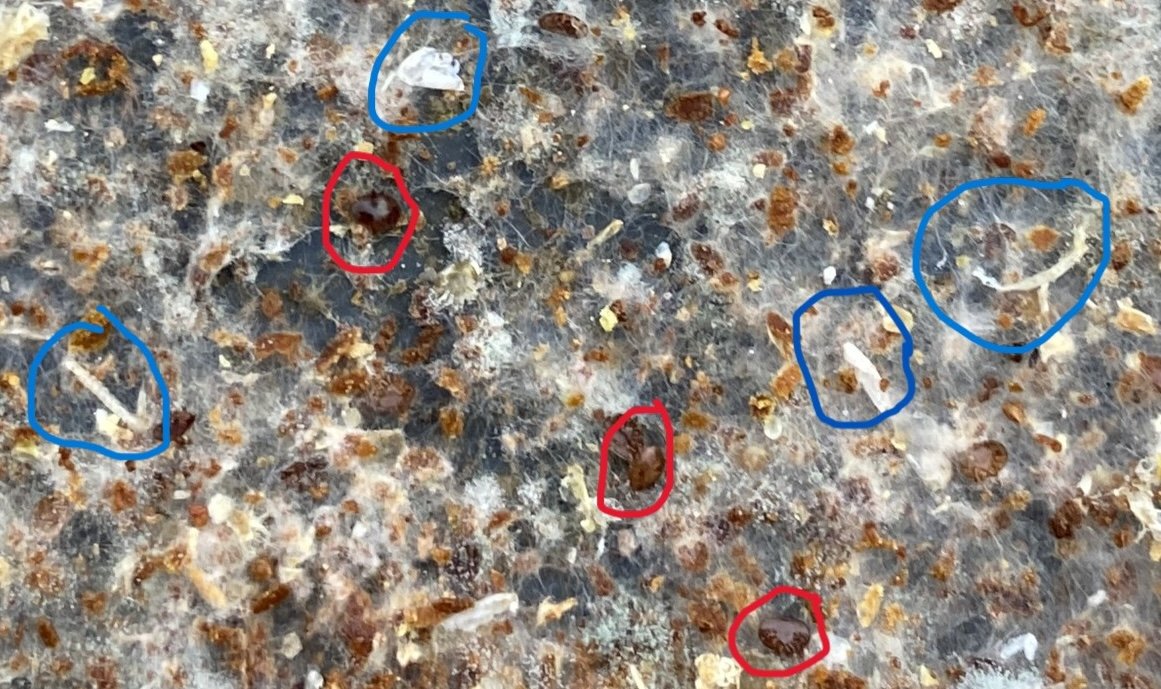
Checking the insert trays on those colonies now, the mite drop is higher than in my long-term varroa resistant colonies (currently dropping fewer than 1 a day), but at between 3.4 and 4.6 a day over the last three weeks, I am very positive. This is a low mite count for the time of year. Amongst the debris were pupal parts - the tell-tale sign that infected pupae are still being chewed out. These previously varroa naïve colonies are now waging war on the mites led by varroa resistant queen line.
If you’re unsure what constitutes a low or high mite count, you can put your mite count over a set number of days into the calculator at https://www.varroaresistant.uk/mite-calculator/.
Next month, we’ll look at further observations from the insert trays as winter properly kicks in, and I’ll talk about how I’ll be selecting which colonies to breed from next season after reviewing the data from the whole of 2025 and comparing it with previous years.
Key for me will be looking for colonies to end 2025 with an average daily mite drop that is the same or lower than at the start of the year.
Varroa resistant summary for November:
-
Insert boards and trays are now the beekeeper’s essential tool for monitoring varroa resistance over winter. You’ll be able to do average daily mite drop counts throughout the cold period, while pupal parts will evidence chewing out during periods where there is brood.
-
Varroa mite counts should now be low and falling as the ivy flow ebbs and queen go off lay once more.
-
Winter jobs include continuing to record your average daily mite drop and observations of pupal exoskeletons every time you go to check and heft hives.
Here in the southeast of England, we’ve had a wet start to winter, but also a very mild one. There have been a few frosts, but in the second week of December I visited a couple of apiaries to do winter checks and I was left in no doubt that all the colonies were still alive because they were all flying in about 14 degrees Celsius. They’re all still hefting heavy, so I’m also not worried about stores as yet.
If you’re new to hefting, then Roger Patterson describes how he does it on a recent video we have added to the BIBBA YouTube channel. Please do subscribe to the channel as we’ll be adding new videos throughout the winter so you can take some new tips and tricks into the new season.
We have already added a number of videos on the impending threat of Tropilaelaps, which brings with it fate worse than varroa. In videos part funded by BIBBA, the team at PHIRA Science explain the lifecycle and symptoms of the mite and how to spot them in your colonies, while Roger Patterson caught up with a bee farmer in Georgia who told him how the spread of the mite is hammering commercial and hobbyist beekeeping in the country.
It’s just one reason why BIBBA supports a ban on bee and queen imports into the UK. You can find out all the reasons why BIBBA supports a ban here, including the potential adverse impact on the work being done to raise local varroa resistant bees.
In my varroa resistant apiaries, my winter checks at the hive start with varroa. I take out the insert board or tray and inspect it and take a photo of each one for a more detailed analysis and mite count when I get home and can blow it up on my phone and record the results in the warm. (The bottom boards also confirmed my flying bees weren't robbing each other).
After cleaning the board or tray off, I will then heft, and where I have a see-through crown board I might be tempted to peek under the insulation if it’s not too cold. In some colonies you can see the cluster pancaked across the Perspex crown board, while in others the cluster remains down in the brood chamber. I check entrances to make sure they’re clear, and occasionally you’ll see evidence of varroa resistance here too, with pupal parts removed via the entrance after being chewed out of varroa infested worker brood cells.
 ©Steve McGrath
If you leave it too long between winter checks, then a build up of debris can make It difficult to do an effective mite count by sight alone, even when blown up on your phone or computer. In this case, I scrape the bottom board debris into a corner and then into a container – a sealable freezer or food bag works well. When home, I take the debris out and either sift through it (a pair of tweezers works well to move debris around and sort pieces) or soak it in methylated spirits In a container, give it a shake and let it settle. Most of the debris stays at the bottom, while the mites and some light debris floats, enabling a more accurate count.
 ©Steve McGrath
I’m looking for individual colonies to end December with a mite drop count no higher, and preferably lower, than where they started back in January. So far, this seems to be the case across my colonies.
I’m also busy pulling together the mite drop data for the whole year, and it’s looking very positive, with my best hives so far showing a daily average mite drop of fewer than one a day for the year as a whole. That will be my best year in terms of mite drop. This continual decline in mite drops over seasons in varroa resistant colonies has been observed by other varroa resistant beekeepers.
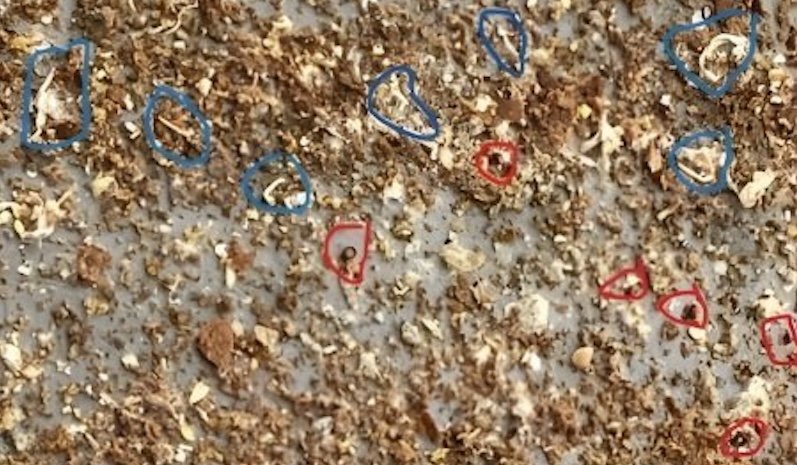
In any varroa resistant colony which is uncapping cells and chewing out infected pupae, I would like a maximum average daily drop of fewer than five for the whole year. Any higher than this and I will be looking to re-queen the colony next season.
The full data set will influence my breeding program for 2026, raising queens from the best third, re-queening the worst third and monitoring the third in the middle.
The data sets from the colonies that weren’t varroa resistant and were re-queened with a queen from a varroa resistant queen line will be very interesting and I will share a case study on them in BIBBA Monthly next year.
For anyone transitioning to varroa resistance, this can be a nervous time of year as the winter treatment could be the first one you skip as part of the transition. It’s advisable to make sure you have clearly seen signs of both uncapping and chewing out of infected pupae in the colony over the summer and that you’re monitoring mite drops. Remember, uncapping alone is not enough, you need to see evidence of chewing out. With your insert board in, you’ll be able to continue counting mite drops and record evidence of chewing out throughout the winter. Spring will better reveal how your bees are coping without that treatment.
Varroa resistant summary for December:
- Insert boards and trays are now the beekeeper’s essential tool for monitoring varroa resistance over winter. You’ll be able to do average daily mite drop counts throughout the cold period, while pupal parts will evidence chewing out during periods where there is brood.
- The aim is to end the year with a daily mite drop at least the same as, and preferably below, where the colony started the year.
- At the end of December, you can calculate the average daily mite drop for the year as a whole. A number of five or fewer, combined with evidence of uncapping of brood cells and chewing out of infected pupae recorded during the year, shows strong varroa resistance.
- Winter jobs include continuing to record your average daily mite drop and observations of pupal exoskeletons every time you go to check and heft hives. Try and do this regularly so that debris doesn’t build up too much. Otherwise you’ll have to sift the debris to do an effective mite drop count.
- If you’re transitioning to varroa resistance, the winter treatment could be the first one you skip. It’s advisable to make sure you’ve evidenced the key traits of varroa resistance – uncapping and chewing out of infected pupae – before you take that risk.
After such a mild autumn, it has almost been a shock to experience the recent cold snap. A quick peek through the Perspex crown board on a couple of hives shows the bees clustered underneath, sustained by the stores left on the hives for them to overwinter on. For me, the cold snap is no bad thing, helping to re-set nature and naturally thin out the number of potential pests for my colonies next year.
Most hives are still hefting heavy, so I’m not worried about stores for the most part although some beekeepers are reporting a lot of crystallized ivy honey in frames and indeed the tell-tale signs of chewed out white crystallized stores are evident on some insert boards and trays. I’ll keep a close eye on those.
In my varroa resistant apiaries, the insert boards I leave in all year are telling me a lot about what’s going on inside. As soon as I slide the board out, I can tell whether the bees are still alive and where the cluster is sitting. Taking a picture of the board before clearing it off allows me to take a deeper look by zooming in when I get into the warm at home.
There I can do my regular daily mite drop count, and I can also see signs that the queen has re-started laying now the days are getting longer with single eggs appearing on the tray. That means it won’t be long before I expect to start seeing the colony’s varroa control kick back in, with pupal remains appearing on the trays as they chew out infected pupae.
At this point it’s worth reminding ourselves of the definition and key traits of varroa resistance:
“Honey bees that manage their own varroa populations, without any involvement by the beekeeper, to a level that allows the colony to function normally without any significant loss of bees or honey.”
These bees manage their varroa populations by detecting infected capped brood at the pink/purple-eyed stage of pupal development, uncapping it and chewing out the infected pupae. This disrupts the breeding cycles of the mites, keeping the population at a low level.
For a beekeeper, that means the traits are evident when you see brood uncapped at the pink/purple-eyed stage and pupal remains resulting from the chewing out either in cells or on the varroa insert tray. These observations should be recorded alongside a consistent and regular mite count to ensure the mite population remains low on a seasonal basis.
I now have my daily mite drop data for my colonies for the whole of 2025. What I’m looking for is an average daily mite drop for the whole year of five or fewer, and for the number at the end of the year to be at or below where it was in the first count of the year.


For my best colonies, the number is well below the five-a-day average, and they’re ending the year dropping about 0.4 to 0.7 mites a day, lower than they were at the start of the year. Some of my colonies were dropping fewer than one a day for the majority of the season, and in one particular apiary this was across all the colonies. The seasonal spike in mite drop you typically see in the autumn as the brood nest contracts was also far less pronounced in these colonies.
That means I can now plan for 2026. This year I have fewer colonies that need re-queening due to the colonies being mite susceptible (ie not able to survive without my intervention), but I will re-queen those remaining and some of the weaker mite resistant hives with queens from my best performers, as well as producing excess queens for colony expansion or sale.
For any beekeeper hoping to transition to varroa resistance in 2026, January is an ideal time to start. Hopefully you’ll have spotted the traits in some of your colonies last season and know which colonies are candidates. For those, update your hive record card so you can keep track of performance, start counting mite drops if you’re using the varroa insert tray method, and start planning the year ahead.
Some considerations are:
- Whether you will separate the transitional colonies into a separate apiary, or at least a separate area of your apiary, so they’re not continually re-infected from neighbouring mite susceptible hives.
- Which mite count method you will use? The varroa insert tray is the one I favour because you get an indication of the population across the whole colony throughout the year. Whichever you choose, be consistent and check regularly. The mite population calculator at https://www.varroaresistant.uk/mite-calculator/ allows for different monitoring methods.
- How will you reduce your treatments? If you’re treating twice, will you initially drop to one and perhaps skip the treatment next winter if mite count numbers support that? If you’re treating just once already, will you move to every other year with enhanced monitoring?
- Will you try some biotechnical interventions like queen trapping or drone brood removal to give your bees more time to develop their resistance and give yourself more confidence?
- The key to transition is to reduce intervention and increase monitoring, but to give it time. Be prepared to step in if the mite levels require it.
You’ll find more resources to help with your transition to varroa resistant beekeeping on our website at https://bibba.com/varroa-resistance/.
There are sections there on identifying varroa resistant bees, starting on your varroa resistant journey, and breeding varroa resistant bees and you can also sign up for an email journey with useful guidance, support and tips.
Each month for the past year we have published an article detailing what’s going on in varroa resistant apiaries, explaining our observations, to help those who may be starting their varroa resistant journey. The first article was published in the February edition of BIBBA Monthly.
Varroa resistant summary for January:
- Keep checking Insert boards and trays each time you visit your hives for a winter check and heft, counting the mite drop and recording any other observations.
- As the queen starts laying again, a varroa resistant colony will start managing their varroa population in the brood nest and so pupal remains can start to appear on insert boards as early as this month as they chew out infected pupae.
- January is the month to start planning: if you already have varroa resistant colonies, which ones will you breed from, and are there others you will re-queen from the best performers? If you don’t have colonies showing the traits, can you acquire some from another local beekeeper? Many associations now have beekeepers with varroa resistant bees.
- If you’re planning to start your transition to a varroa resistant apiary this year, have you identified colonies where you saw the key traits last year and formulated a plan for reducing treatments? Have you thought about keeping your VR colonies in a separate apiary and which monitoring method you will use?
Varroa Resistance Resources
Website
Visit varroaresistant.uk for details on the history and science of varroa resistant bees.
Book
Recommended reading: The Honey Bee Solution to Varroa by Steve Riley