Posts by Nick Mawby
Local bees better than imports
locally adapted strains of honey bee consistently performed better than the “foreign” strains. Honey bee genotypes and the environment In recent years, much attention has been focused on the global problem of honey bee colony losses. Among the many explanations for these losses, variability in the genetic makeup and vitality of honey bee populations
Read MoreBIM 44 – Summer 2014
- From the Chair – Kevin Lincoln
- BIFA Days – Roger Patterson
- Letters to the Editor – Mark McVey
- IBRA Press Release – Norman Carreck
- A BIPCo visit – Jo Widdicombe
- Pesticide Debate – Norman Benson
- Queen raising for the Amateur – Alan Brown
- In Memory of Janet Hinchley – David Allen
- Sampling and Predicting – Brian Dennis
- Bee v Pigeon – Jeremy Clay
- Genuine Imported Queens – Will Messenger
- Conference Venue
BIM 43 – Spring 2014
- BIFA Days – Roger Patterson
- Moonlight Mating – Philip Denwood
- Pure Mating by Time Isolation – John E Dews
- Ownership of a Swarm – Brian Dennis
- Annual General Meeting Agenda – Secretary
- Annual Accounts – Treasurer
- Trustees Report – Chairman
- Draft Minutes – Secretary
- BIFA meeting in Sussex – James Norfolk
- Book Review – Philip Denwood
- Patron Saints – Brian Dennis
- Conference Speakers List – Roger Patterson
BIM 42 – Winter 2013
- Dark Bee Reserve – Philip Denwood
- BIBBA Groups News – Jo Widdicombe
- Whither goest thou? – Brian Dennis
- Are you a Natural Beekeeper? – Brian Dennis
- A Broader Perspective – Dorian Pritchard
- Honey with a Buzz – Trisha Marlow
- Book Review – Philip Denwood
- Some thoughts on Grafting – Roger Patterson
- Honey Bee Improvement – John E Dews
- Bee Improvement for all Days – Roger Patterson
- Genuine Imported Queens (3) – Will Messenger
Native Honey Bees
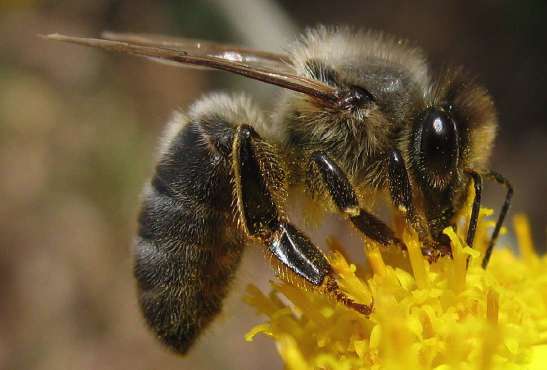
It is fairly certain that the Dark European Honey Bee, Apis mellifera mellifera, has been native to mainland Britain since before the closing of the Channel Landbridge, when sea levels rose following the last Ice Age. They became isolated and adapted to the different conditions they found themselves in.
Read MoreBIM 41 – Spring 2013
- News from North Wales – Steve Rose
- AGM Proposal 2012 – Will Messenger
- The Native Bee – Dorian Pritchard
- Wing Morphometry Service – Will Messenger
- Trustees Report – Will Messenger
- Report and Accounts – Iain Harley
- Project Discovery Phase 2 – Will Messenger
- NIHBS – Aoife McGillycuddy
- Morphometry Measurements – Jacob Kahn PhD
- Genuine Imported Queens Part 2 – Will Messenger
BIM 40 – Winter 2012
- From the treasurer – Iain Harley
- Beekeeping in Switzerland – Roger Patterson
- Help West Highland bees – Kate Atchley
- Workshops – Terry Clare
- Towards 50 years – Will Messenger
- Project Discovery update – Terry Clare
- Ludlow & District group – Mike Saunders
- Coorecorder v DrawWing – Conan McDonnell
- Morphometry in practice – Terry Clare
- Imported Queens part 1 – Will Messenger
BIM 39 – Autumn 2012
- From the Chair – Will Messenger
- SBA Centenary Conference – Will Messenger
- CoLoss Action Group – Will Messenger
- Providing Breeding Material – Albert Knight
- Meet the Members – Eddie O’Sullivan
- Queen Rearing workshop – Mike Thornley
- Scottish Bee Breeding – Mike Thornley
- Experiments with Morphometry – Iain Harley
- SICAMM Conference – Steve Rose
BIM 38 – Spring 2012
- Project Discovery – Terry Clare
- North Pennine Bee Group – Pritchard & Miller
- The Black Bees of Tasmania – Andrew Abrahams
- Stratford-upon-Avon BIG – Peter Edwards
- Native Dark Bee Breeding – Margie Ramsey
- News from the Groups – Jo Widdicombe
- News from BIPCo – Jo Widdicombe
- Queen Rearing Workshop – Mike Saunders
- Scottish Centenary Conference
- Sedbergh Breeding Group – Andrew Royce
- North Wales Queen Rearing – Steve Rose
- BIBBA Scottish Conference