CaSCA Webinar: Nuc Production By Local Beekeepers, For Local Beekeepers
Zoom Webinar held on Thursday 12th February 2026

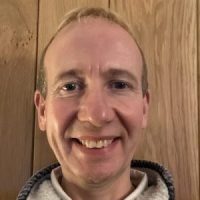
Roger Patterson is a practical beekeeper who has been working with bees since 1963.
A chance meeting with Beowulf Cooper (find out more about him here [link to history page]) inspired Roger to join BIBBA in 1965 after recognising that imported bees were poorly suited to the UK climate.
At one point managing 130 colonies, Roger now oversees around 25, in addition to managing between 30–50 colonies at his local Beekeepers Association apiary, which he uses for teaching purposes.
Nuc Production By Local Beekeepers, For Local Beekeepers
The webinar outlined Roger Patterson’s system for producing high‑quality nucleus colonies from locally adapted bees and using them as both a breeding and business opportunity. He promotes a two‑frame nucleus method using drawn comb, which can grow to full colonies in 5–6 weeks if timing, food, and space are carefully managed. Overwintered nuclei are particularly valuable: they start early, are already balanced, and should command about a 25% price premium because of higher survival risk, proven queens, and extra feeding. Local sale of nuclei offers major benefits over commercial imports, including inspection, transfer into the buyer’s own box, reduced transport stress, and support for regional genetics.
Patterson stressed standards for nucleus quality, referencing BBKA and NBU guidance on correct ratios of brood, food, and bees, and estimated a large, largely untapped UK market of new beekeepers wanting reliable local nuclei. He contrasted this with concerning commercial practices such as heavy sugar feeding to build comb, using highly prolific queens for speed, moving nuclei just before sale so they lose flying bees, adding brood without bees to mask this loss, supplying caged imported queens, and giving buyers little or no written guidance. Local producers can differentiate themselves by avoiding these shortcuts, using untreated bees and starter strips, and selling nuclei headed by actively laying queens rather than banked ones.
The webinar detailed practical methods: producing drawn comb above a queen excluder during a nectar flow, storing “virgin” comb for several years, then using it to build nuclei without foundation; a stepwise two‑frame nucleus recipe; and a “Roger Patterson method” for colony increase that can raise 10–14 colonies from one in southern England through repeated splits and controlled redistribution of flying bees. Pricing guidance suggested strong premiums and short guarantees for overwintered nuclei, with clear terms and encouragement for beginners to bring an experienced beekeeper when collecting.
Further topics included the true potential of emergency queen cells (high quality if initial cells aren’t removed), concerns over long‑term queen banking in commercial systems, techniques for supersedure using protected queen cells, and the importance of gentle, observant handling rather than blaming bees for poor temperament. The discussion closed with notes on genetic variability in naturally mated queens and the role of long‑term selection, plus some early‑season plant observations and comments on the practical drawbacks of non‑standard frame sizes such as 14x12.
Please LOGIN then you will be able to Watch the Webinar and see Discussion Transcript