Practical
Queen Cell Production in a Single Brood Chamber Colony
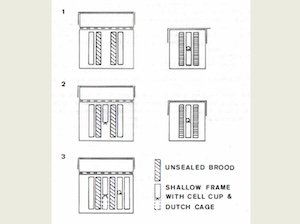
The following simple method was observed by BIBBA’s Director, Ken Ibbotson, in Holland. It is suitable for a beekeeper with single brood chamber colonies wishing to rear a small number of queens. It should produce 7-10 very good queen cells.
Read MoreWinter Wax Processing, Yorkshire Style!
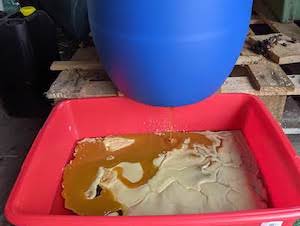
During the winter months, one of the jobs that I like to get out of the way is processing all the cappings and old combs from the previous beekeeping season. I decided to create a new steaming system
Read MoreA Simple Method of Simultaneously Raising Queens and Producing Nuclei
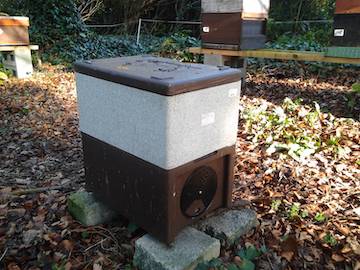
The method described here aims to simultaneously produce both queens and nuclei and would probably suit a medium-sized beekeeping operation, a few beekeepers working together, or an association’s breeding programme.
Read MoreBee Improvement Strategies
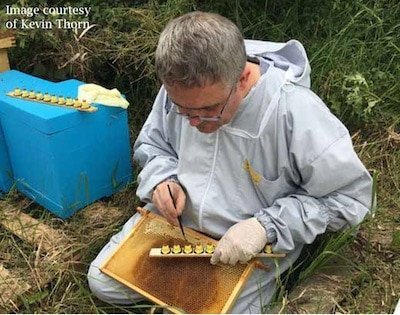
A key question any individual or group should consider is what method should I/we follow to Improve our bees and to produce queens. There are a few key choices depending on your aims, capacity (time and equipment) and capabilities. I’m assuming the reader is looking for a bee that is native and/or locally adapted. Kevin…
Read MoreHow I select my ‘Breeder Queens’
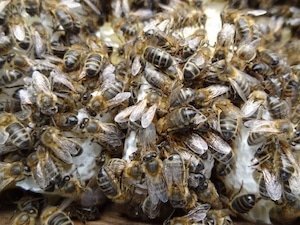
At the start of a new season I like to make a shortlist of which queens are good enough to breed from, in other words, to become my breeder queens. I do this by looking at the current condition of the colony as well as looking at the record of past performance.
Read MoreBreeding honeybees on a small scale – Dorian Pritchard
With an open mating system I find you can manage with just four colonies to breed successfully.
Read MoreSteve Rose Queen Rearing
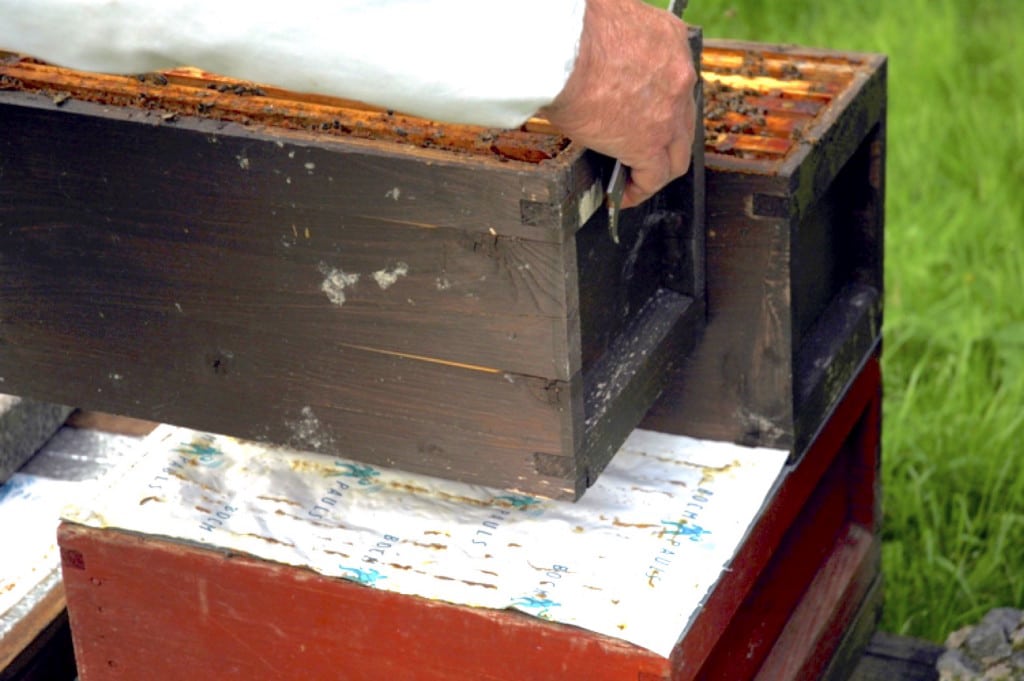
This is a method of persuading non-prolific and non-swarmy bees to raise queen cells on a regular basis through the season.
Read MoreQueen Rearing Timetable
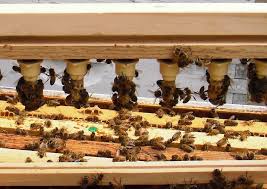
This Microsoft XL file was written by Angus Stokes and Albert Knight and provides an interactive way to prepare timetables for using the Jenter or Cupkit Cellplug Box. With a bit of tweaking it can be used for other methods of cell raising.
Read MoreJohn Harding Queen Rearing
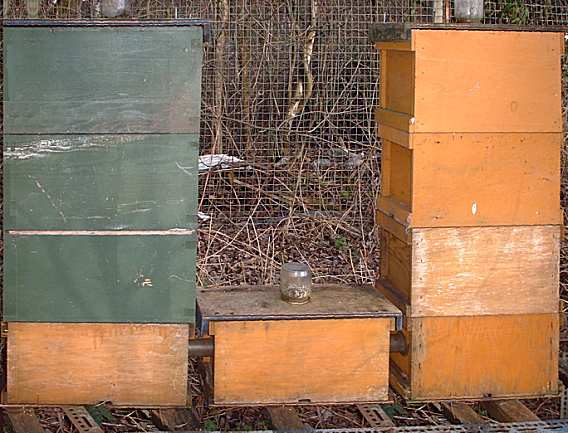
The main purpose of this systemis its versatility and to have an additional use so you always double its value in purpose, and it’s not lying around for the best part of the year unused. Given the choice honeybees prefer vertical narrow empty spaces with unlimited depth, and just enough space to build 5 or6 combs side by side…
Read MoreFind, Mark & Clip the Queen
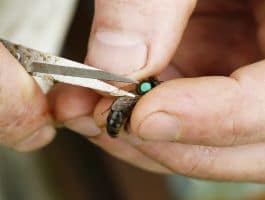
Finding queens in Spring, and marking and clipping them whenever necessary, has become an integral part of my seasonal beekeeping programme. Advice from Micheál Mac Giolla Coda
Read More