Join a Group
BIBBA are encouraging beekeepers to join together to form groups. If you are already running a Bee Improvement group working towards raising local queens or improving Apis melifera melifera stocks, or if you wish to start and organise such a group, please complete this form: https://goo.gl/forms/6784oVS9LLoV7PAO2 If you do not feel able to set up…
Read MorePractical Ideas
[catlist id=17]
Read MoreGenetic Origin & Survival
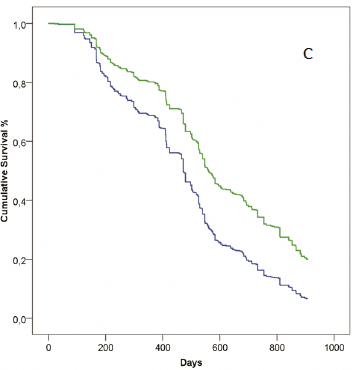
On average, colonies with queens from local origin survived 83 days longer compared to non-local origins (p < 0.001). This result demonstrates strong genotype by environment interactions. Consequently, the conservation of bee diversity and the support of local breeding activities must be prioritised in order to prevent colony losses, to optimize a sustainable productivity and to enable a continuous adaptation to environmental changes.
Read MoreLeek and Moorlands – ST9
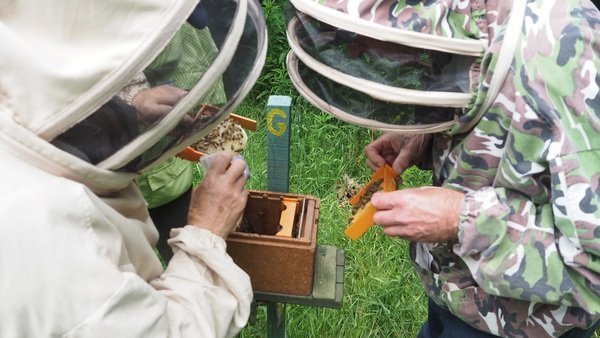
Leek and Moorlands Beekeepers have been raising queens for over 30 years and welcome beekeepers of all levels of experience.
Read MoreStratford-upon-Avon BIG – CV37
to improve the Amm characteristics of the local honeybee population in the District
Read MoreDark Bee Conservation Group – WF5
West Yorkshire group aiming to promote and improve the local bee whilst preserving the natural honey bee diversity, reduce colony losses and reduce the dependence on therapeutic and chemical treatments. contact Stuart Atkinson
Read MoreDenbigh Vale of Clwyd – LL16
Denbigh, Ruthin and outlying areas. Queen rearing, selective breeding and bee improvement. contact Steve Cawthray
Read MoreWight Bees – PO35
Bee Improvement on the Isle of Wight
Read MoreClwydian Range – CH7
Part of the North East Wales group contact Geoff Critchley
Read MoreB4 Project – Cornwall – PL17
The purpose of the B4 Project is to conserve, protect and increase the population of Apis mellifera mellifera, the European Dark Honey Bee (EDHB), by the fusion of science and beekeeping. This will be achieved by: Setting up reserves with like-minded beekeepers. Working closely with scientists to identify genetic purity of samples taken geographically. Informing…
Read More