Posts by Nick Mawby
NEXT EVENT
[qem posts=’1′] view all events
Read MoreBIM 46 – Winter 2015
- The Honey Bee family – Brian Dennis
- A word from Brother Adam – Brian Dennis
- QR – some experiences – Roger Patterson
- BIBBA Conference – Roy Norris
- The BIfA workshop – Katey Slater
- Grafting – Roger Patterson
- Assessment of the black bee – Willie Robson
- News from SICAMM – Philip Denwood
- Dark Bee Seminar – Philip Denwood
- The BIBBA Course – Mike du Feu
- Dark Bee breeding project – Margie Ramsay
- From the Archives – R Smailes
- IBRA Press Release – Norman Carreck
Giftaid
Now is your chance to get the taxman to give some of your hard earned money to the association! Gift Aid is tax relief on money donated to charities in the UK. The Inland Revenue will treat donations to charities as if the donor has already had tax deducted at the basic rate. The charity…
Read MoreDetails confirmed
Thanks for confirming your details.
Read MoreA Native Dark Bee Project
Margie Ramsay reports on a project reintroducing A.m.m. to a reserve in Scotland. Update July 2015 In 1905, just before the First World War there was a 20 year long bee plague called Isle of Wight disease which was considered by many, including bee breeder Brother Adam, to have eradicated the native subspecies of dark…
Read MoreControlled Mating and Hygienic Behaviour
we compared the levels of hygiene in colonies headed by daughter queens reared from hygienic mother colonies that were either instrumentally inseminated with sperm from drones reared from hygienic colonies or allowed to mate naturally with naturally-occurring drones.
Read MoreJoin a Group
BIBBA are encouraging beekeepers to join together to form groups. If you are already running a Bee Improvement group working towards raising local queens or improving Apis melifera melifera stocks, or if you wish to start and organise such a group, please complete this form: https://goo.gl/forms/6784oVS9LLoV7PAO2 If you do not feel able to set up…
Read MorePractical Ideas
[catlist id=17]
Read MoreGenetic Origin & Survival
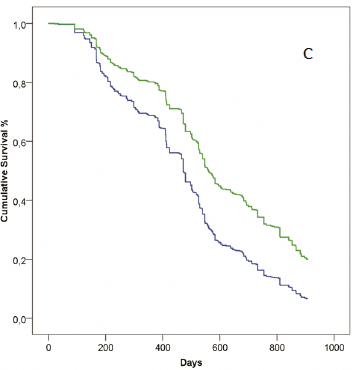
On average, colonies with queens from local origin survived 83 days longer compared to non-local origins (p < 0.001). This result demonstrates strong genotype by environment interactions. Consequently, the conservation of bee diversity and the support of local breeding activities must be prioritised in order to prevent colony losses, to optimize a sustainable productivity and to enable a continuous adaptation to environmental changes.
Read MoreStratford-upon-Avon BIG – CV37
to improve the Amm characteristics of the local honeybee population in the District
Read More