Posts by Nick Mawby
Dark Bee Conservation Group – WF5
West Yorkshire group aiming to promote and improve the local bee whilst preserving the natural honey bee diversity, reduce colony losses and reduce the dependence on therapeutic and chemical treatments. contact Stuart Atkinson
Read MoreDenbigh Vale of Clwyd – LL16
Denbigh, Ruthin and outlying areas. Queen rearing, selective breeding and bee improvement. contact Steve Cawthray
Read MoreWight Bees – PO35
Bee Improvement on the Isle of Wight
Read MoreClwydian Range – CH7
Part of the North East Wales group contact Geoff Critchley
Read MoreB4 Project – Cornwall – PL17
The purpose of the B4 Project is to conserve, protect and increase the population of Apis mellifera mellifera, the European Dark Honey Bee (EDHB), by the fusion of science and beekeeping. This will be achieved by: Setting up reserves with like-minded beekeepers. Working closely with scientists to identify genetic purity of samples taken geographically. Informing…
Read MoreStiperstones & Long Mynd Area Bee Breeders – SY15
SLABB [Stiperstones & Long Mynd Area Bee Breeders] is based in mid Shropshire/adjacent Welsh Marches. Core activities centre around selective breeding from the best near-native bees and local bees
Read MoreSheffield Rivelin Bee Breeding Group – S6
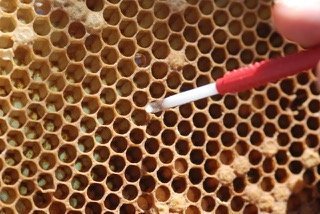
Working towards selective breeding of local bees. contact Phil Khorassandjian
Read MoreUpper Dee Bee Improvement Group
This group covers a substantial area stretching from the Dee valley (Glyn Dyfrdwy) between Corwen and Bala and Westwards to Cwm Main on the edge of the Snowdonia National Park. The aim of the group is to achieve a high percentage of quality native or near-native drones in the district so that everyone in the…
Read MoreBacteria Help Honey Bee Larvae
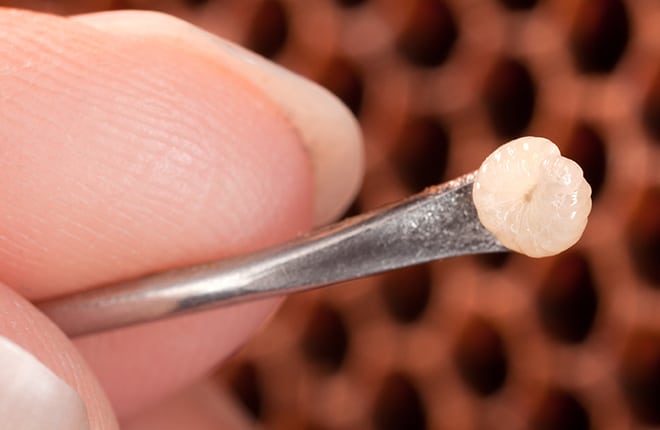
Honey bees are under constant pressure from a whole host of stresses—diseases, poor nutrition,sublethal effects of pesticides, and many others. While researchers have been aware for a number of years of a community of bacteria in adult bees that may aid with some of these stresses,Agricultural Research Service researchers have identified the first bacteria that…
Read More