Posts by Nick Mawby
Steve Rose Queen Rearing
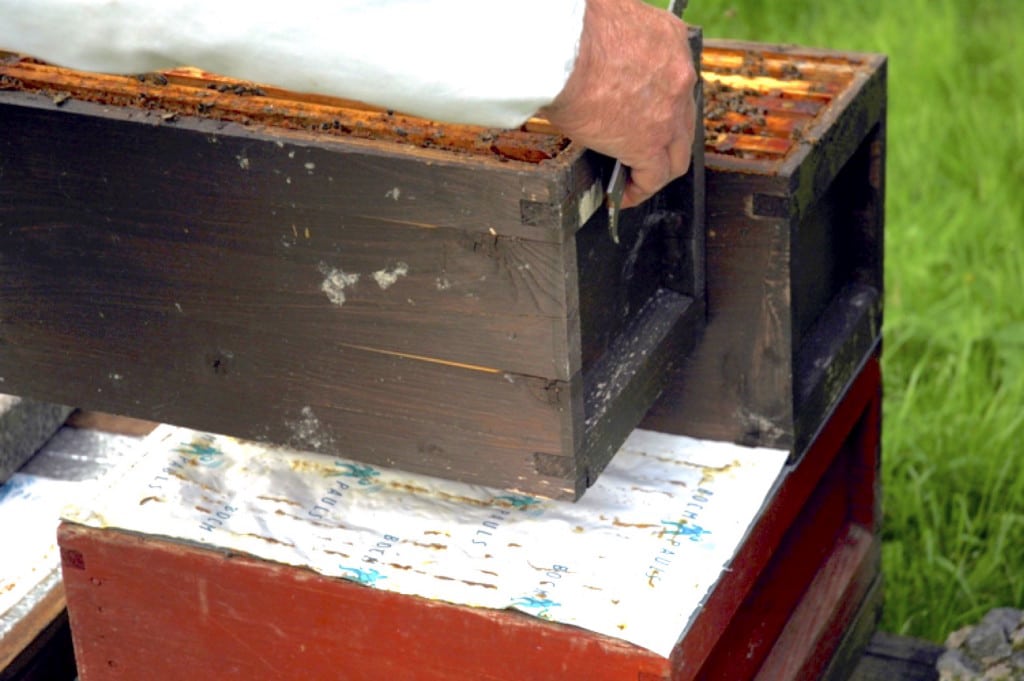
This is a method of persuading non-prolific and non-swarmy bees to raise queen cells on a regular basis through the season.
Read MoreSMARTBEES project
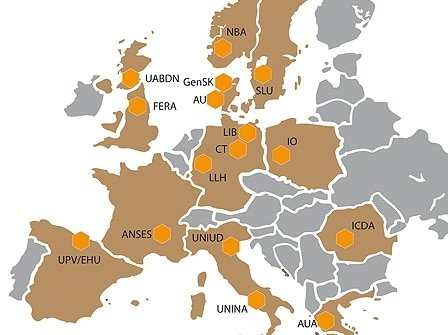
The SMARTBEES project is focused on identification, breeding and propagation of locally adapted honey bees with high performance and resistance traits to Varroa destructor
Read MoreMethods for Rearing and Selection of Queens
This publication from the COLOSS beebook covers a wide range of methods currently in use and recommended in modern queen rearing, selection and breeding
Read MoreGenetic Identification and Introgression Analysis
This system describes an essential tool in Europe for genetic stock identification and estimation of admixture levels which can assist management strategies and monitor honey bee conservation programs. View pdf
Read MoreNick Mawby

Chair & Website& Membership
Read MoreSome history of the East Midlands group
a piece by Albert Knight that conveys our group’s activities in earlier times A problem that has long been with us, has been to find a mating site that gives reasonable isolation. We have used sites several hundred miles from our base. These include Spurn Point on the East Coast, and the Elan Valley in…
Read MoreBIM 45 – Spring 2015
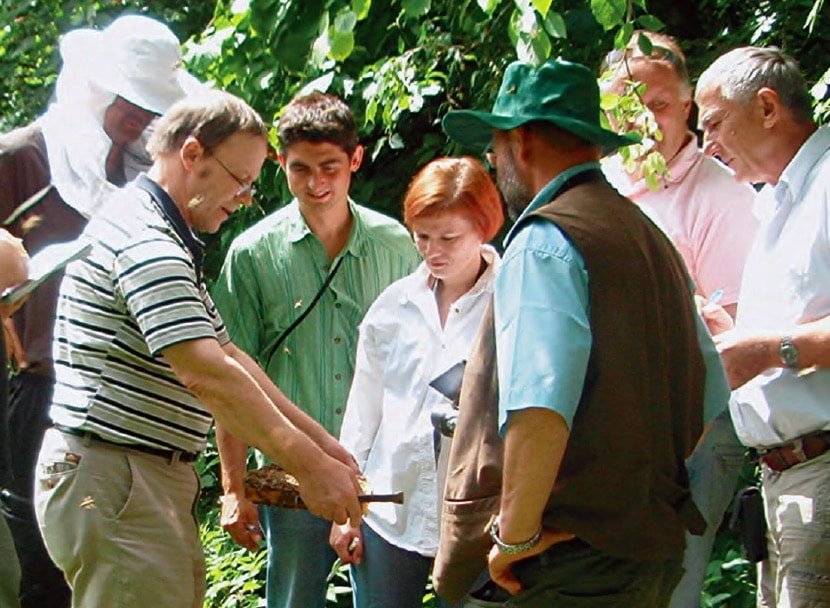
- Looking for the best bees – M. Meixner & R Büchler
- Introduction of exotic bees – Brian Dennis
- Echoes from the past
- 2014 Conference – Margaret Murdin
- BIBBA/SICAMM Conference – Roger Patterson
- BIBBA/SICAMM Conference – Dorian Pritchard
- SHB press release – COLOSS
Queen Rearing Timetable
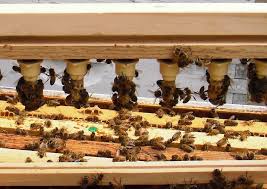
This Microsoft XL file was written by Angus Stokes and Albert Knight and provides an interactive way to prepare timetables for using the Jenter or Cupkit Cellplug Box. With a bit of tweaking it can be used for other methods of cell raising.
Read MoreGaltee Bee Breeding Group
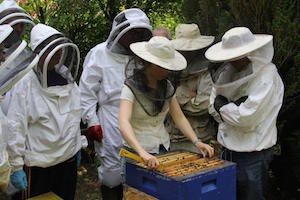
The Galtee Bee Breeding Group was formed in the year 1991 with the object of conservation, study and improvement of the native strains of dark European Honeybee Apis mellifera mellifera in the Galtee/Vee valley and surrounding areas of South Tipperary.
Read MoreWhat is Apis mellifera mellifera?
What is Apis mellifera mellifera? Apis mellifera mellifera, Linnaeus 1758 is a subspecies and northern geographical race of Apis mellifera, the western honeybee. It may be subdivided into many local ecotypes. Its various vernacular names include: “Dark European Honeybee” (English), “L’abeille noire” (French), “Die dunkle Biene” (German) and “Det mörka Nordiska Biet” (Swedish). Apis mellifera…
Read More