Posts by Nick Mawby
Identifying Varroa Resistant Bees
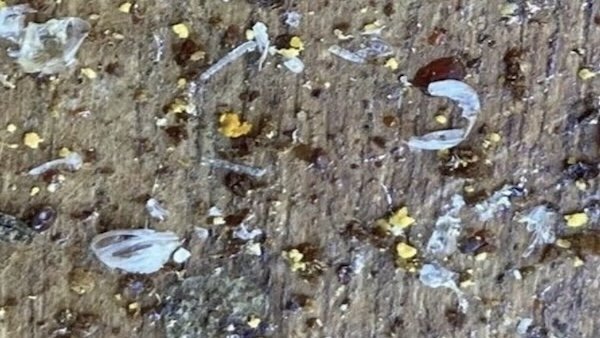
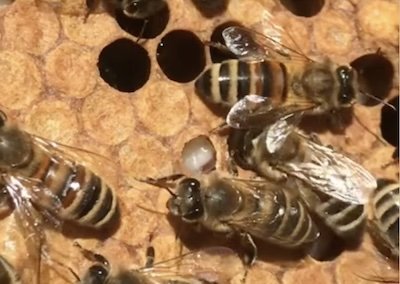
The key observations in a varroa resistant colony are uncapping of worker brood, chewing out of infected pupae resulting in pupal exoskeletons on varroa insert boards, resulting in low mite counts as the breeding cycles of the mites are interrupted.
Read MoreSICAMM
 SICAMM
an International Federation whose primary aims are the conservation, protection and promotion of the European Dark Bee
Read MoreMike Andrews

Tropilaelaps
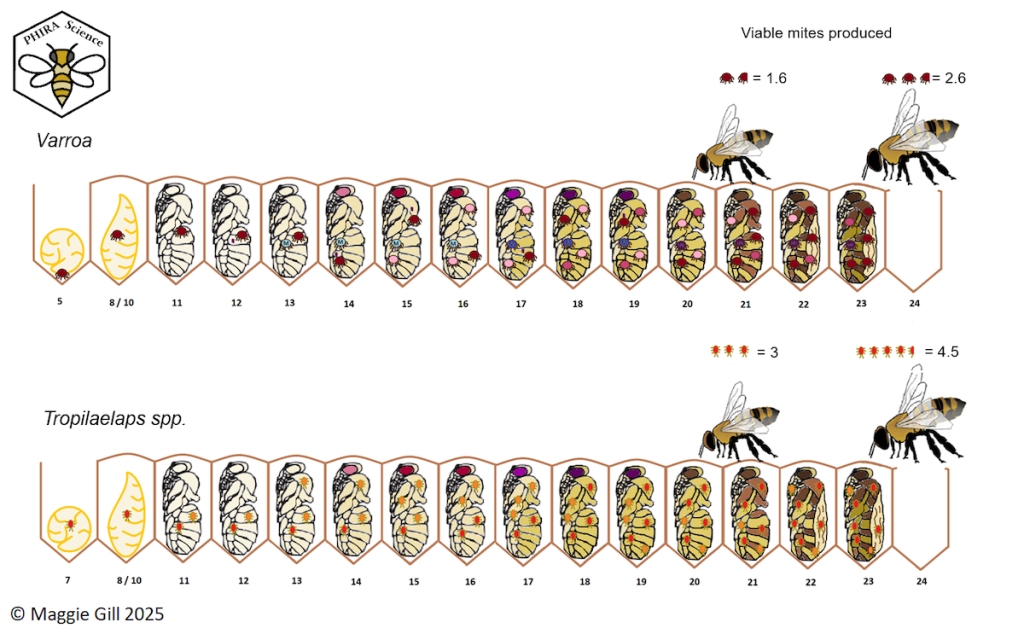 MAGGIE GILL
In areas where both Tropilaelaps and Varroa are present it has been reported that Tropilaelaps are a far more damaging pest than Varroa.
Both Varroa and Tropilaelaps have been shown to vector viruses when they feed and in one study 100% of Tropilaelaps mites examined harboured deformed wing virus (DWV) compared to only 81.8% of Varroa.
European Beekeeping Association (EBA)

Membership is open to national BKAs and any organisation that represents beekeepers and works in the interests of bees, beekeeping and consumers.
Read MoreCode of Conduct
Varroa Resistance through Bee Improvement
On 15th February 2025 BIBBA held a conference which recruited the leading experts, both scientific and practical, in varroa resistance
Read MoreSteve McGrath

Distributing Apis mellifera mellifera
Ideally all beekeepers would raise their own queens from local stock, gradually improving them. However, there are many beekeepers who live in areas with a high density of imports where it is impossible for them to get their queens mated with local drones. These beekeepers currently have the option of buying in queens form the…
Read MoreGroup overview 2021 – 2023
The aim of the BIBBA East Midlands Bee Improvement Group is to breed near native Apis mellifera mellifera (Amm) queens of the best local genetic stock. Then making these queens available to members and ultimately to other beekeepers in the region, who wish to establish this sub species in their own apiaries. During the Summer…
Read More