Research
Seasonal Nectar Gaps in Farmland Landscapes
Paper Review: Seasonal Nectar Gaps in Farmland Landscapes Timberlake et al. (2019) Phenology of farmland floral resources reveals seasonal gaps in nectar availability for bumblebees This paper is a straightforward observational study examining the seasonal availability of nectar sugars across farmland habitats in North Somerset. Although the work focuses on bumblebees, many of the findings…
Read MoreVarroa Resistance: It Comes from the Queen
For those involved in bee improvement and breeding, a key question has always been:
Do bees learn Varroa-resistant behaviour from each other, or is it inherited?
The researchers showed that Varroa resistance is passed on through the queen and her offspring and not by workers learning from each other.
This means:
- Resistance is genetic, not taught
- Requeening is sufficient to change colony behaviour
- There is no need to transfer “experienced” workers
From Hive to Test Tube
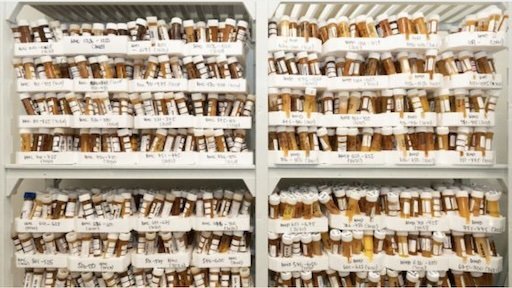
A recent UK study has shown something quite remarkable: your honey can reveal hidden disease in your colony before you see any symptoms.
Read MoreWild honey bees on English landed estates

This new 3.5‑year field study from southeast England provides the strongest evidence to date that, at least in some English landscapes, wild colonies are both numerous and viable.
Read MoreBirch, Bees, and Biology: Does Science Suggest We Should Site Hives Near Birch Trees?
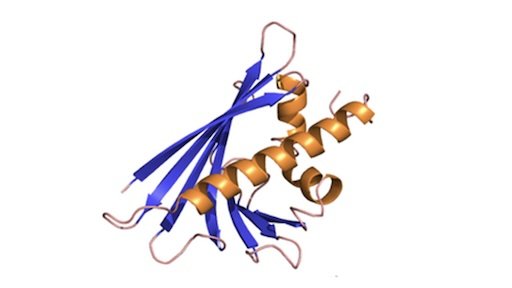
The paper is not about bees, but its detailed pollen data (timing, intensity, season length) and species relationships provide useful context for assessing whether birch trees are beneficial companions for apiaries.
Read MoreDeformed Wing Virus
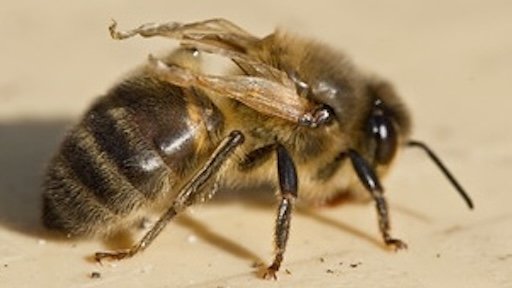 Klaas de Gelder
Hidden DWV infections can wreck a colony long before any deformed wings appear. This article explains how “invisible” DWV quietly drains nectar, shortens worker lives and undermines winter survival—and why breeding for viral resistance must join Varroa control in every beekeeper’s toolkit.
Read MoreCuticular Hydrocarbon Profiles
The study shows that different subspecies of Apis mellifera carry genetically-determined variation in their cuticular hydrocarbon (CHC) profiles. These hydrocarbons — the waxy coating on a bee’s body — are vital for preventing desiccation and also act as chemical cues for nestmate recognition and potentially communication within the colony.
Read MoreUnderstanding Varroa Survival
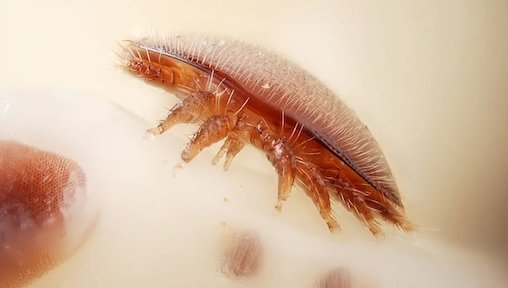
A 2025 study in Apidologie by Parenzan et al. reveals that Varroa destructor mites can survive far longer on honey-bee larvae than previously believed
Read MoreTropilaelaps
 MAGGIE GILL
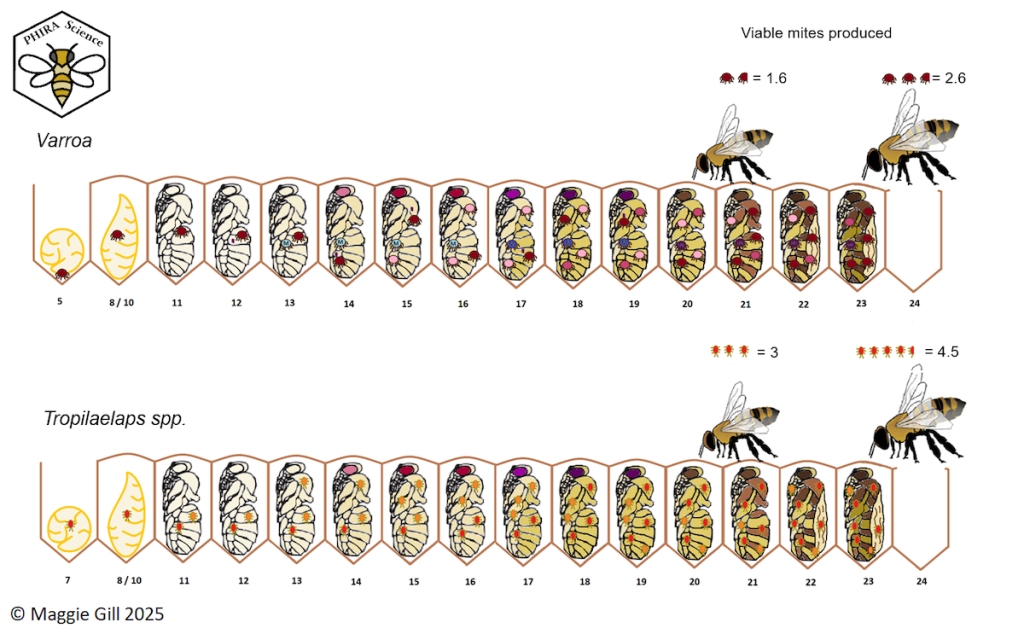
In areas where both Tropilaelaps and Varroa are present it has been reported that Tropilaelaps are a far more damaging pest than Varroa.
Both Varroa and Tropilaelaps have been shown to vector viruses when they feed and in one study 100% of Tropilaelaps mites examined harboured deformed wing virus (DWV) compared to only 81.8% of Varroa.
Appetitive floral odours prevent aggression in honeybees
Honeybees defend their colonies aggressively against intruders and release a potent alarm pheromone to recruit nestmates into defensive tasks. The effect of floral odours on this behaviour has never been studied, despite the relevance of these olfactory cues for the biology of bees. Here we use a novel assay to investigate social and olfactory cues…
Read More