Research
Genetic Origin & Survival
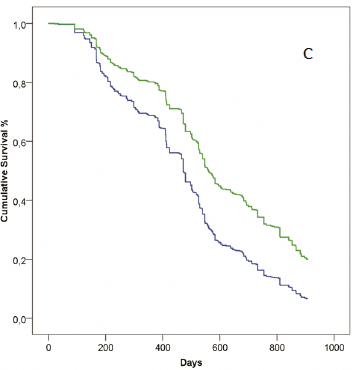
On average, colonies with queens from local origin survived 83 days longer compared to non-local origins (p < 0.001). This result demonstrates strong genotype by environment interactions. Consequently, the conservation of bee diversity and the support of local breeding activities must be prioritised in order to prevent colony losses, to optimize a sustainable productivity and to enable a continuous adaptation to environmental changes.
Read MoreBacteria Help Honey Bee Larvae
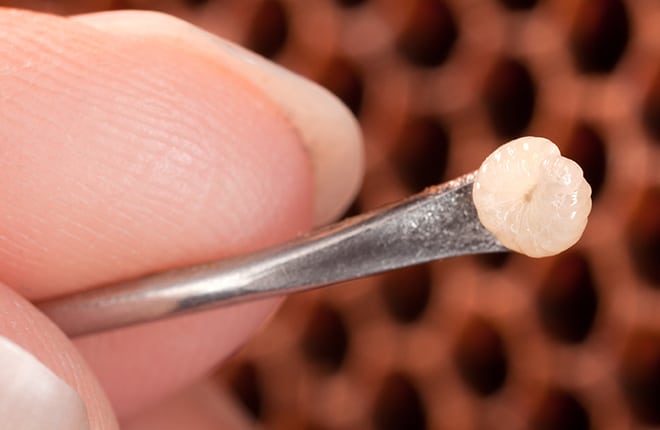
Honey bees are under constant pressure from a whole host of stresses—diseases, poor nutrition,sublethal effects of pesticides, and many others. While researchers have been aware for a number of years of a community of bacteria in adult bees that may aid with some of these stresses,Agricultural Research Service researchers have identified the first bacteria that…
Read MoreMethods for Rearing and Selection of Queens
This publication from the COLOSS beebook covers a wide range of methods currently in use and recommended in modern queen rearing, selection and breeding
Read MoreGenetic Identification and Introgression Analysis
This system describes an essential tool in Europe for genetic stock identification and estimation of admixture levels which can assist management strategies and monitor honey bee conservation programs. View pdf
Read MoreLocal bees better than imports
locally adapted strains of honey bee consistently performed better than the “foreign” strains. Honey bee genotypes and the environment In recent years, much attention has been focused on the global problem of honey bee colony losses. Among the many explanations for these losses, variability in the genetic makeup and vitality of honey bee populations
Read MoreMale Fitness of Honeybee Colonies
We found clear evidence for an extensive diversity in
male mating success at the colony level. Some colonies
had significantly more matings (about an order of
magnitude) than other drone producing colonies in the
same year.