Uncategorized
Toolkit-Potential beekeepers and the public
Possibly fuelled by media activity, there has been great interest in bees and beekeeping in the 21st century, although in some respects it may not be in the best interests of the craft, but perhaps unwise to ignore it without response. Some of the publicity suggests that bees are in trouble and all you have…
Read MoreCopy of test
Sorry, we couldn’t find any posts. Please try a different search. Honey bees, with only one species, that are those that beekeepers keep. There is a lot more to know about them than is usually given in books and training courses. It isn’t often appreciated that some bees suit the locality better than others, need…
Read MoreRed Listed
 Joe Ibbertson
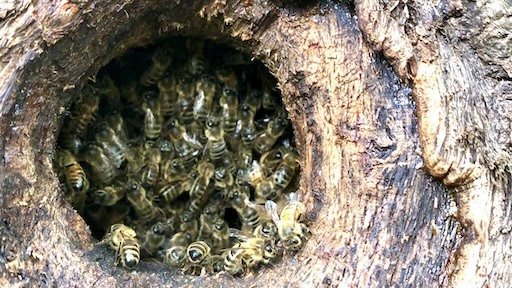
Wild Western Honey Bees (Apis mellifera) are now classified as Endangered in much of Europe, including southeast England, according to the IUCN Red List of Threatened Species.
Free-living colonies face severe threats from habitat loss, pesticides, invasive species like Varroa mites and Asian hornets, and genetic impacts from modern beekeeping.
Key survival depends on natural nesting sites and diverse foraging habitats, including urban areas.
Conservation efforts highlighted by the Red List include:
- protecting habitats
- controlling invasive predators and parasites
- promoting native bee subspecies,
- avoiding non-native genotype introductions
- expanding research
Without action, Europe’s wild honey bees — vital pollinators — face further decline.
Read Moretest
Bees Many people, including beekeepers, are often unaware of the different types of bees, thinking that bees are bees are bees and so on. In the UK there are about 270 species of bees, less in Ireland and the islands, with some being localised owing to habitat and suitable food sources. Bees are in three…
Read MoreBumblebees
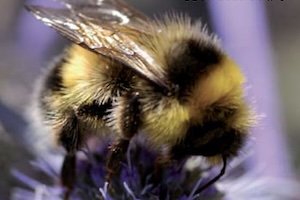
Bumblebees are among the most
endearing and familiar of our
garden insects. The sight and sound of bees, droning methodically from flower to flower, is a quintessential part of a summer’s day.
Bitesize Beekeeping Topic List
Free-Living Honey Bees Expand Free-Living Bees: Nature’s Unmanaged Colonies Introduction When most people think about bees, they picture neatly painted hives in tidy rows, tended by beekeepers in protective suits. While this is the familiar image of beekeeping, it’s only part of the story. All over the world – including here in the UK…Read More…
Read MoreFree-Living Honey Bees
Free-Living Bees: Nature’s Unmanaged Colonies Introduction When most people think about bees, they picture neatly painted hives in tidy rows, tended by beekeepers in protective suits. While this is the familiar image of beekeeping, it’s only part of the story. All over the world — including here in the UK — there are honey bee…
Read MoreVR July 2025
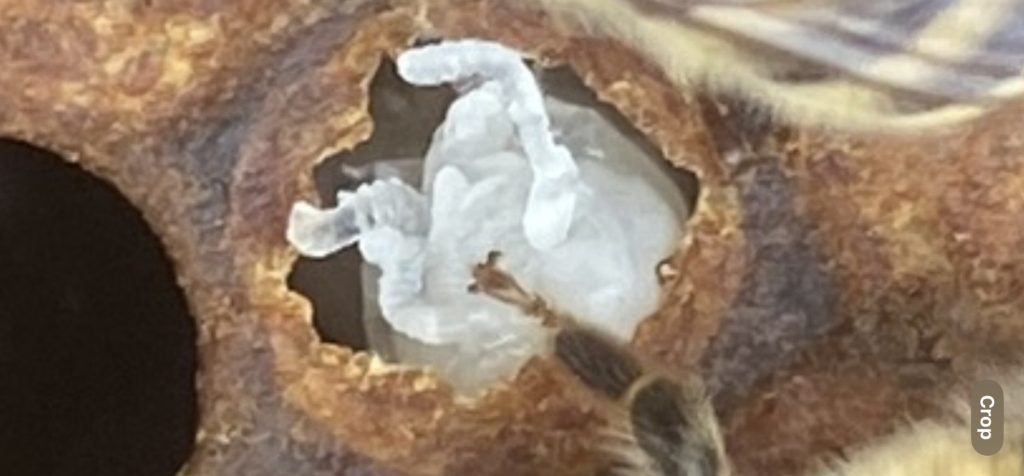
Varroa Resistant Colonies VR behaviour during and after the main flow The main flow has ended abruptly in the southeast of England – hedgerows are full of immature blackberries and the white clover is also all but over. With not a lot of borage in this area, my bees are now on Himalayan Balsam, with…
Read MoreVR June 2025
Varroa Resistant Colonies The heritability of varroa resistant traits Conditions for queen raising have been ideal in the southeast of England so far this year, with lots of pollen and nectar in the hives to produce copious Royal Jelly, drones in abundance and long spells of good weather for virgin queens to get out and…
Read MoreContact-Membership
Use this form for any Membership or Website queries Your email Please enter a valid email.
Read More